










Beverly Hills, specifically the Trousdale Estates, is a landscape dotted with mid-century modern masterpieces and contemporary glass boxes that vie for the best view of the Pacific. It is a neighborhood where standing out requires more than just square footage; it requires a vision that borders on the artistic.
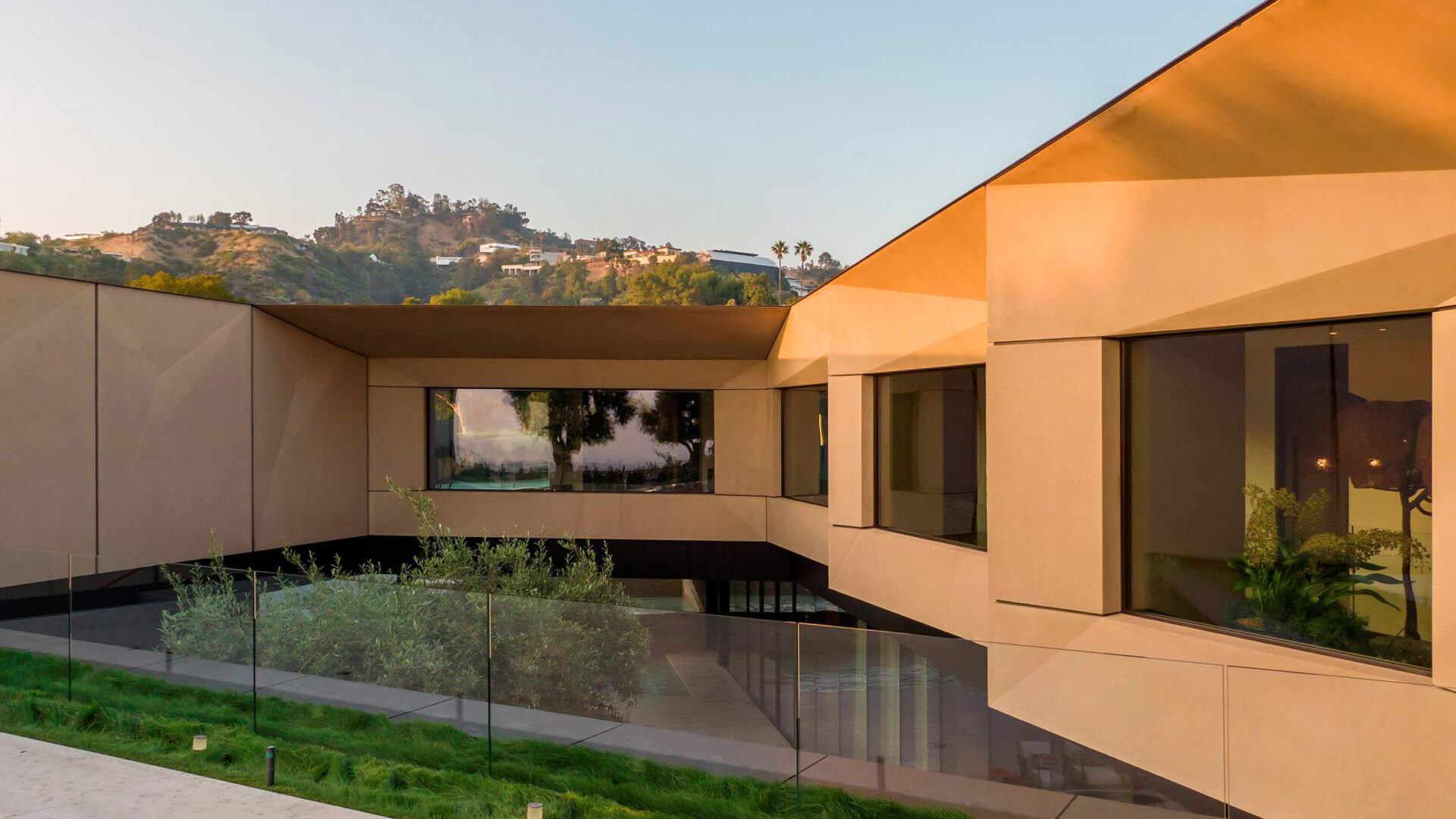
Enter the Fractal Facade House, a residence that eschews the typical right angles of modernism for something far more geological and sculptural.
Designed by American architecture studio Donaldson + Partners, this home doesn’t just sit on the land; it mimics the precious stones buried deep within it.
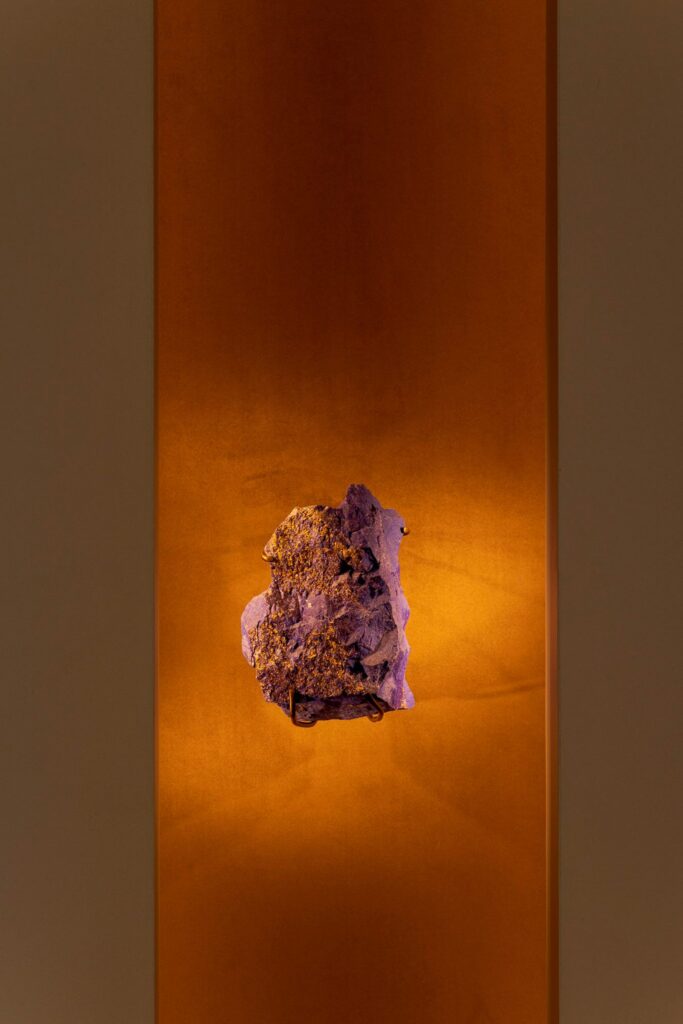
The project began with a specific muse. The client, a financier who splits time between the coasts, worked closely with studio founder Robin Donaldson to find an aesthetic language that felt distinct. The inspiration came from the multifaceted, light-catching geometry of gemstones.
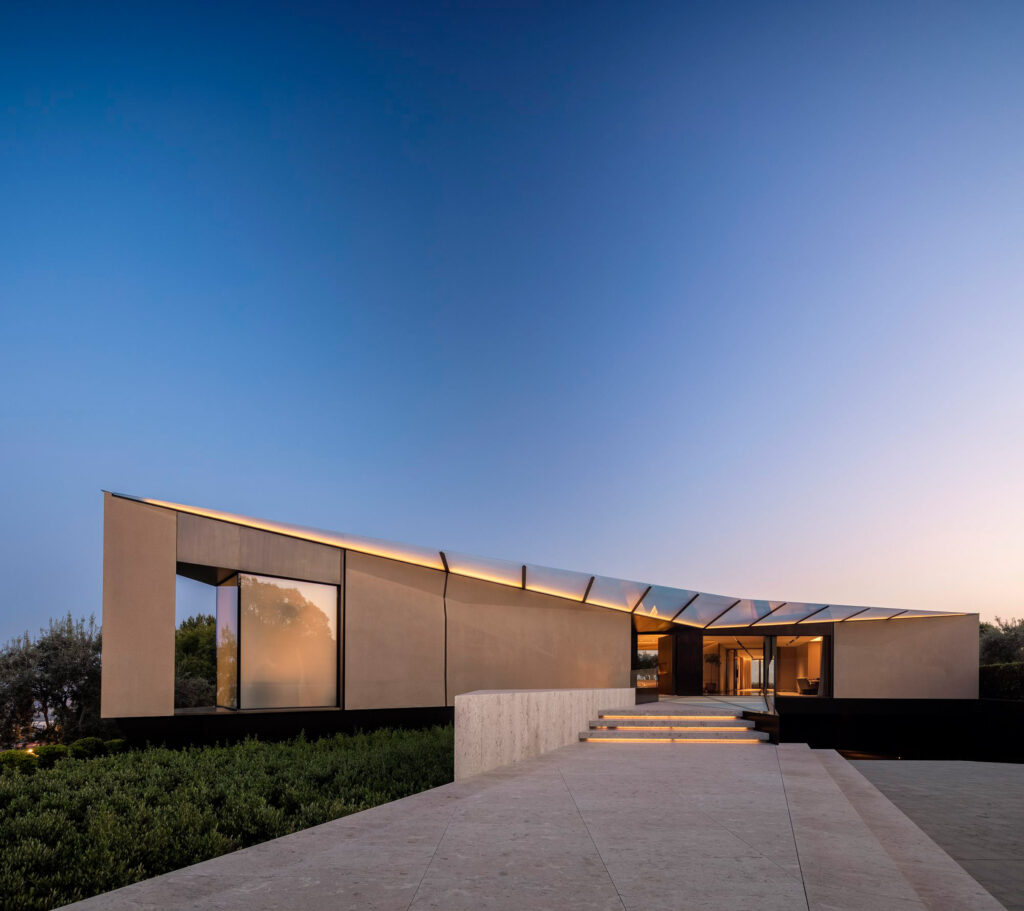
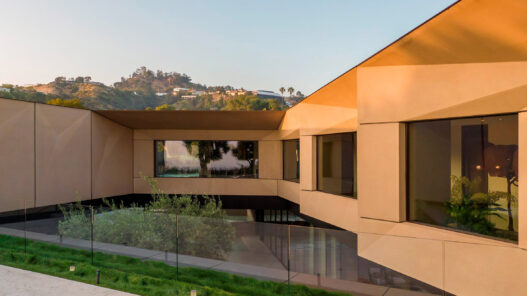
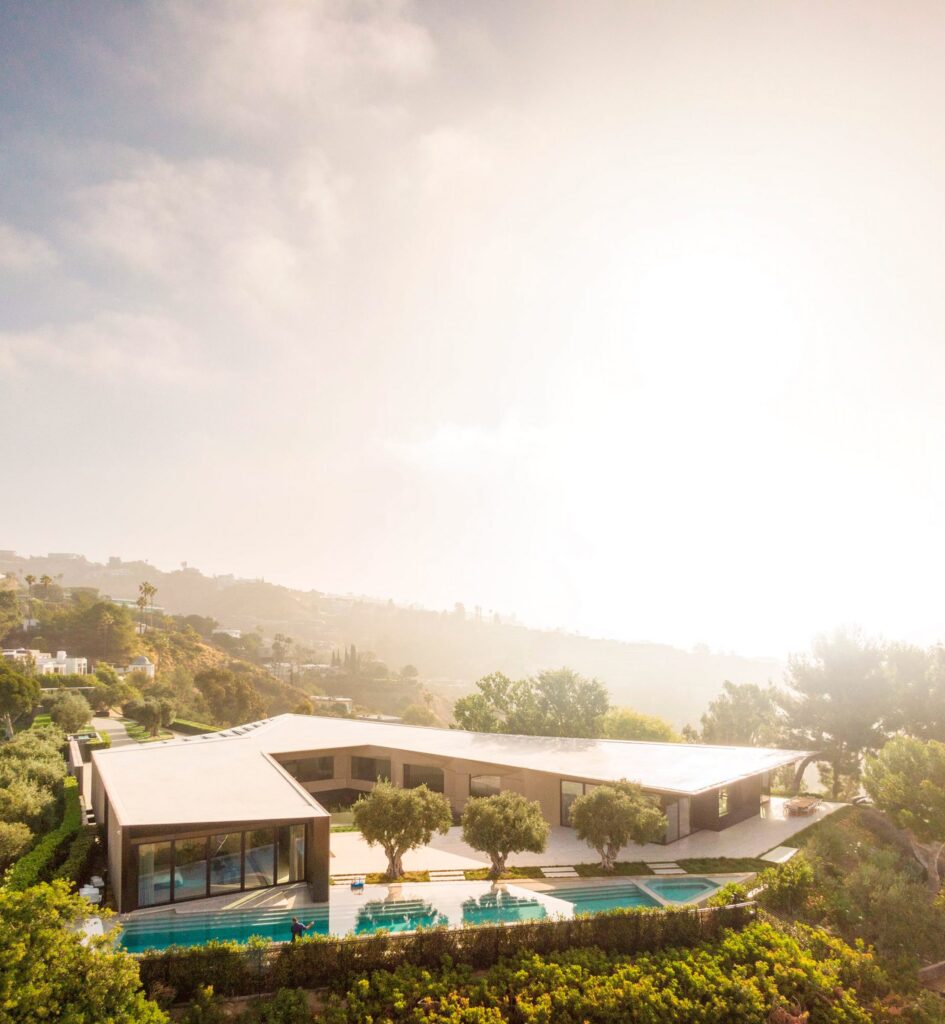
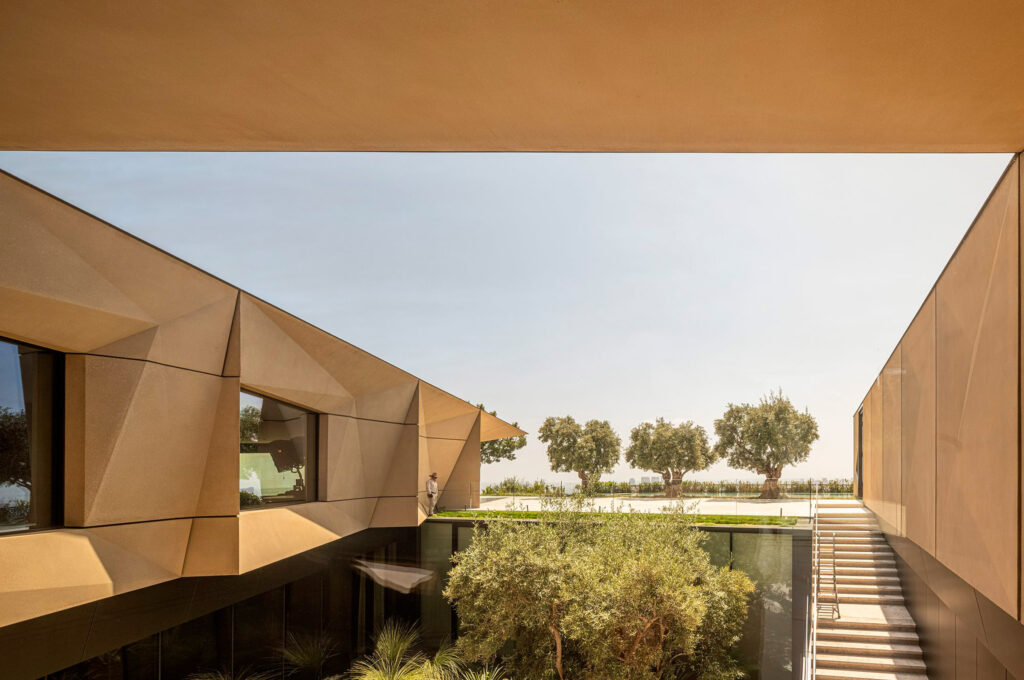
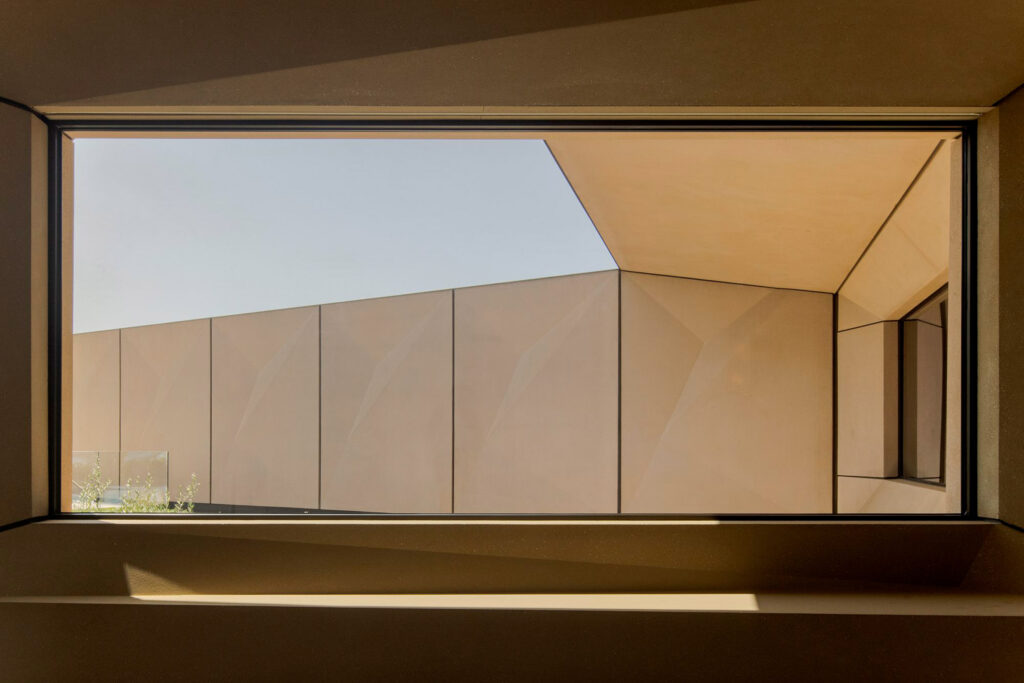
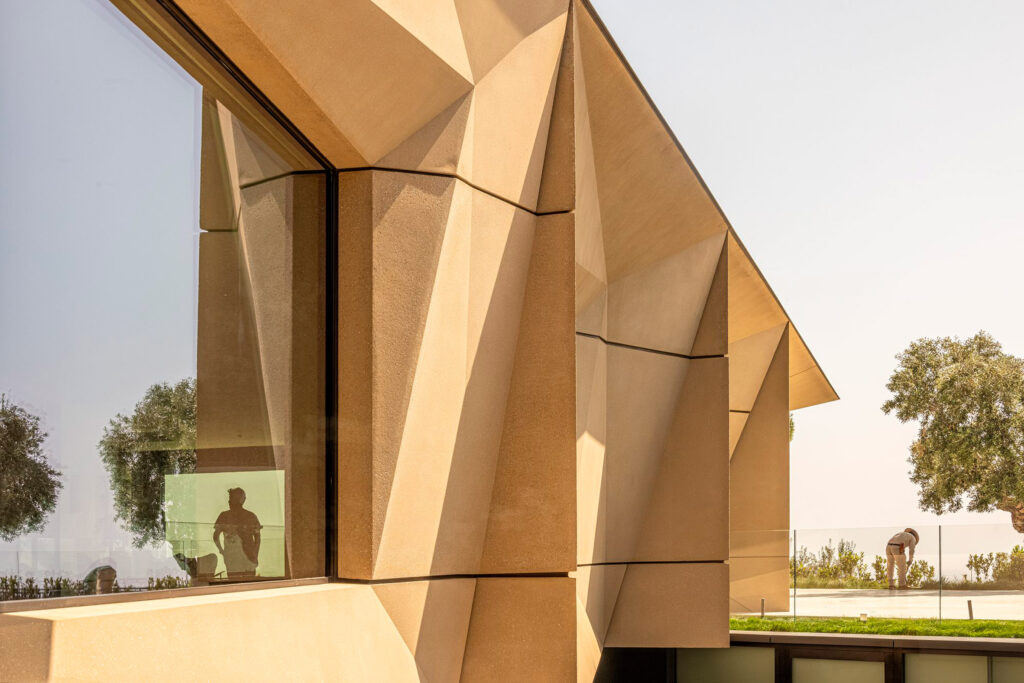
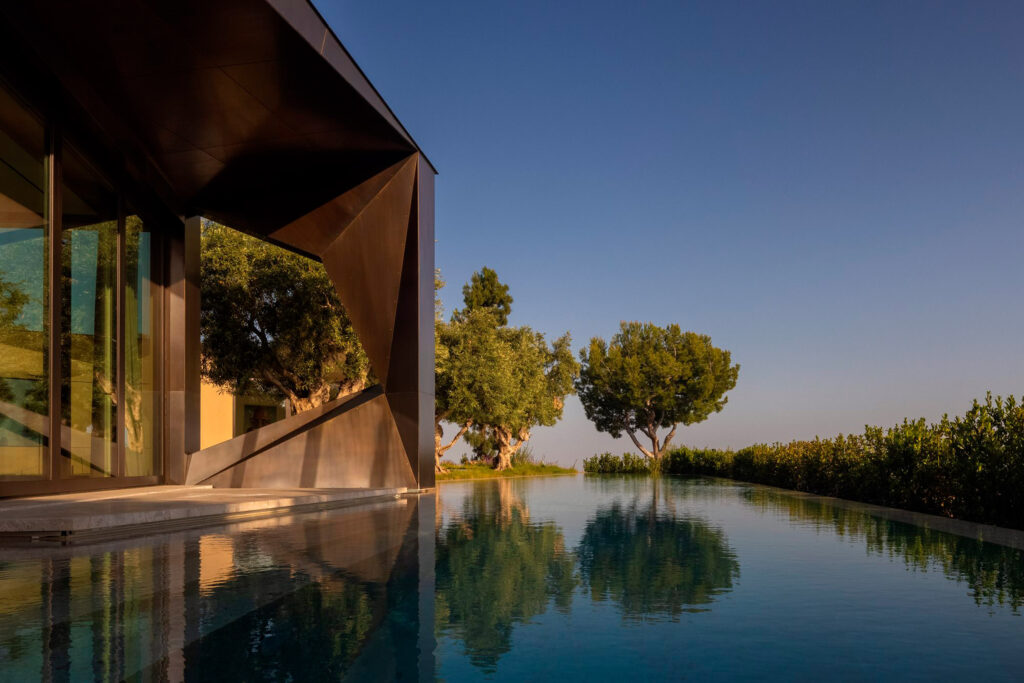
This concept birthed a V-shaped floor plan and, most notably, the building’s striking exterior. The house is wrapped in a “fractal” skin, a series of folded, angular planes that give the structure a sense of movement and depth rarely seen in residential architecture.
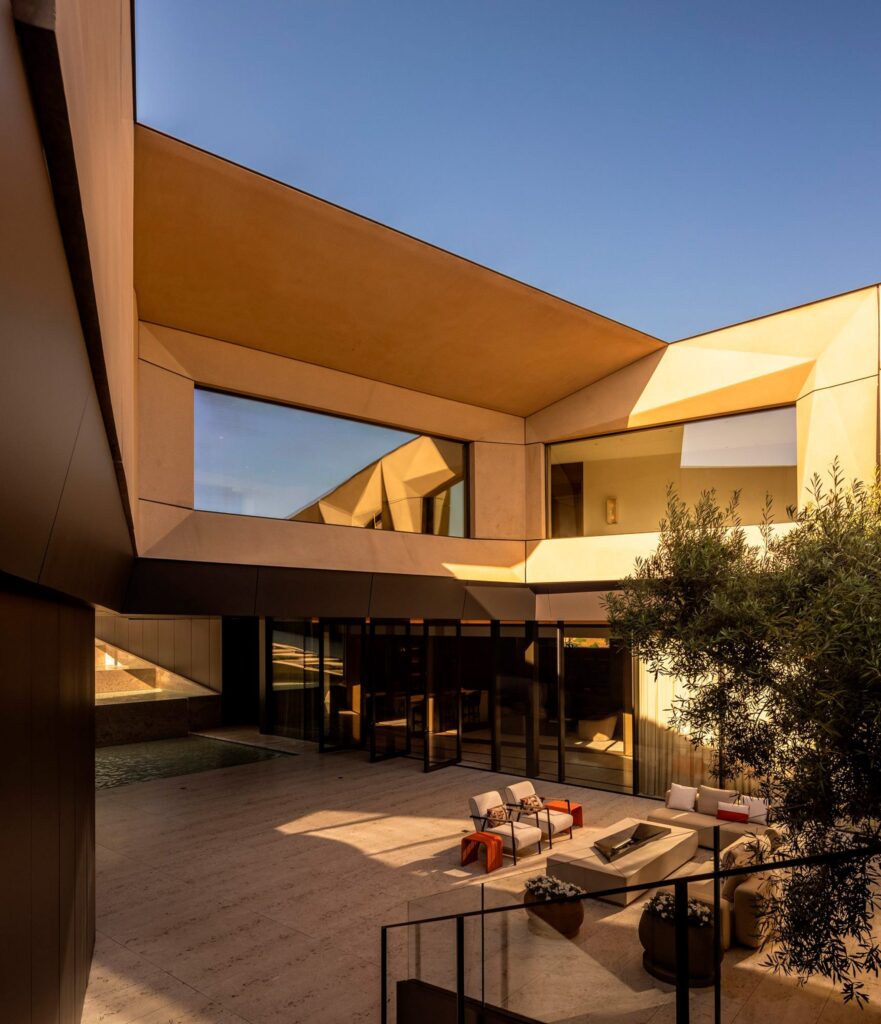
While the client initially considered French stone for the cladding, the team pivoted to a more innovative, localized solution: glass-fibre-reinforced polymer (GFRP) panels manufactured in San Francisco.
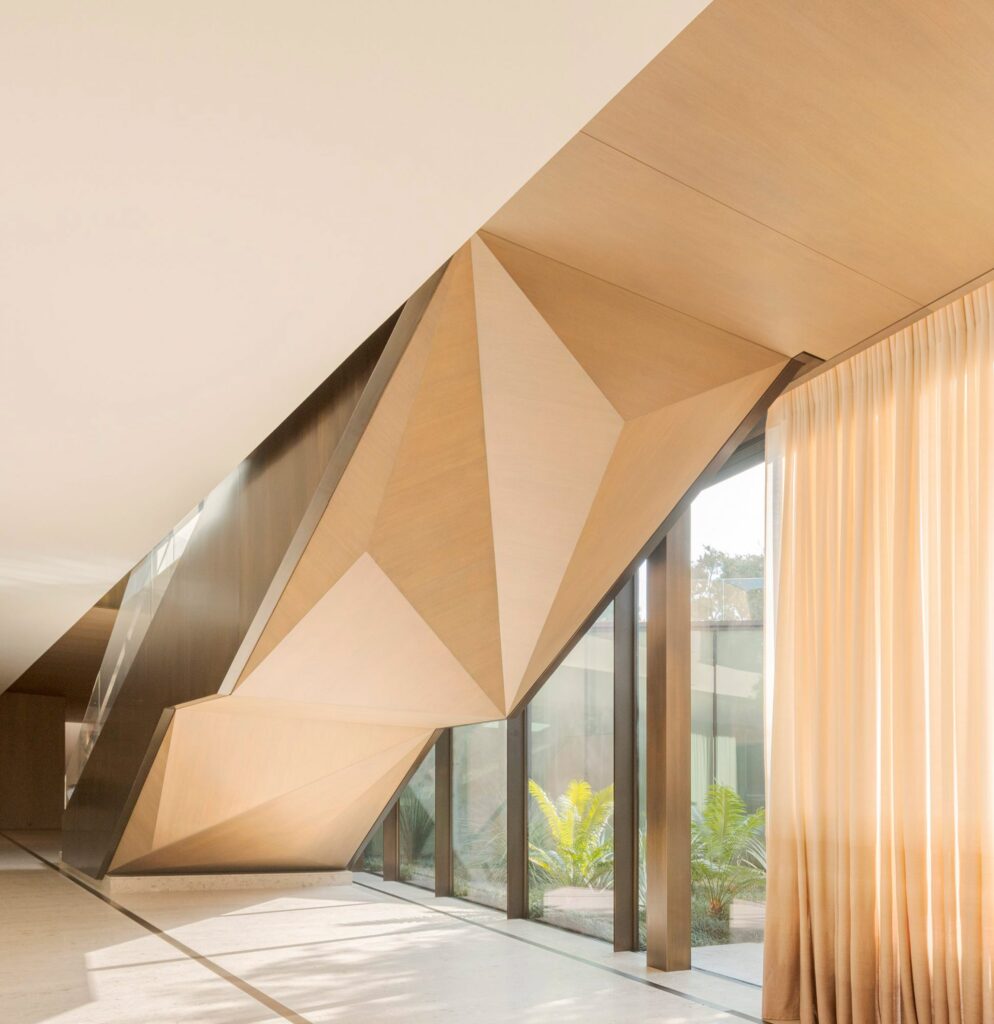
To avoid a sterile, plastic look, pieces of natural shell were integrated into the orange-hued panels, creating a texture that mimics the organic irregularity of natural stone while allowing for precise, futuristic shaping.
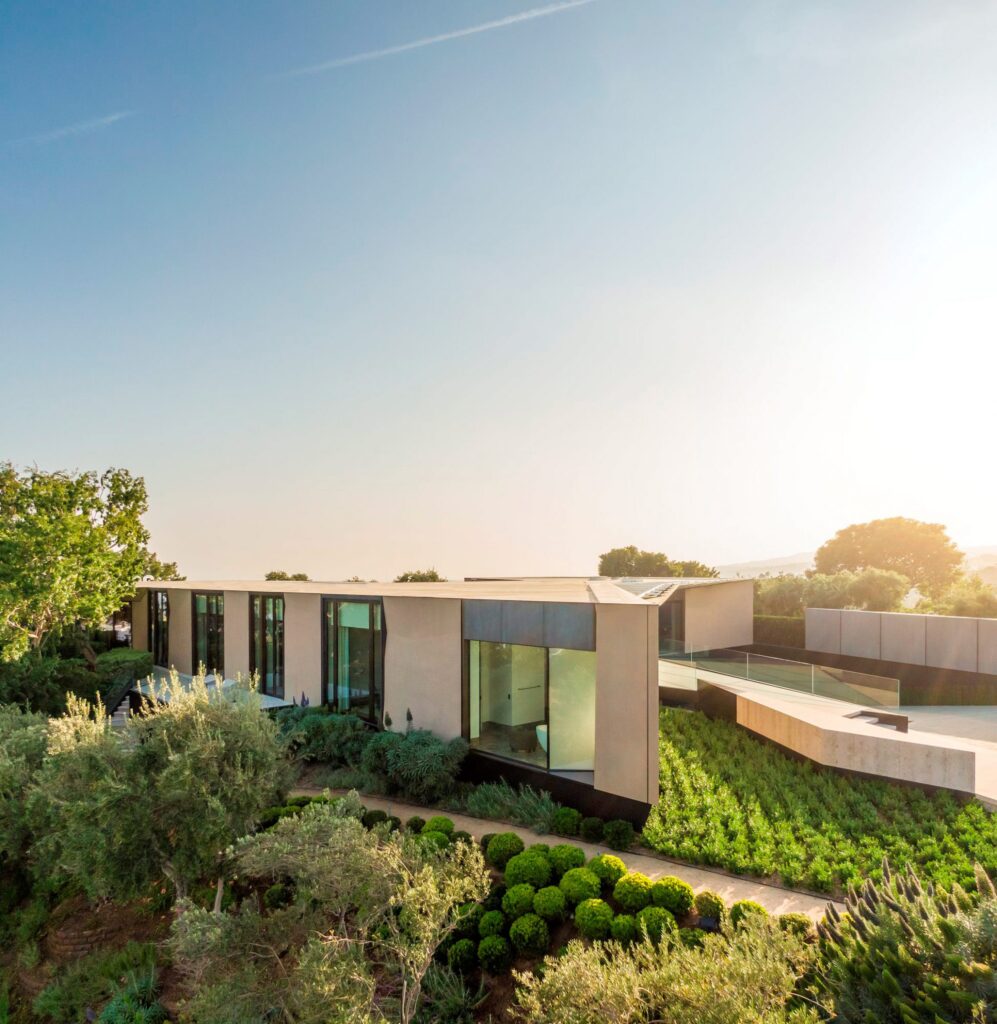
Perched on a two-acre promontory, the home commands sweeping views of downtown Los Angeles and the ocean, yet it remains surprisingly grounded. This is partly due to local regulations in Trousdale that cap building heights at 14 feet to protect neighbors’ views.
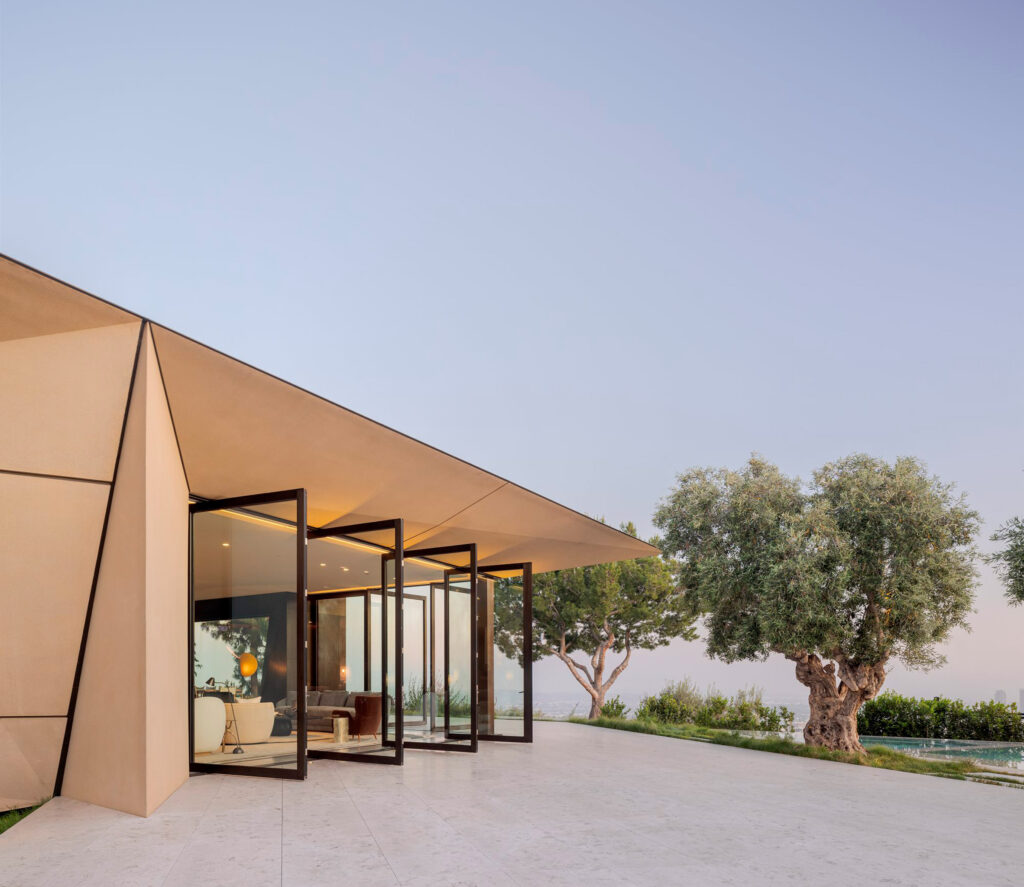
Far from being a hindrance, this constraint pushed Donaldson + Partners to embed the 21,000-square-foot structure into the landscape rather than building up. The result is a home that feels anchored and stealthy.
The approach to the house is meticulously choreographed via a long alleé—made possible by the acquisition of an adjacent property—building anticipation until the faceted jewel of a home gradually reveals itself.
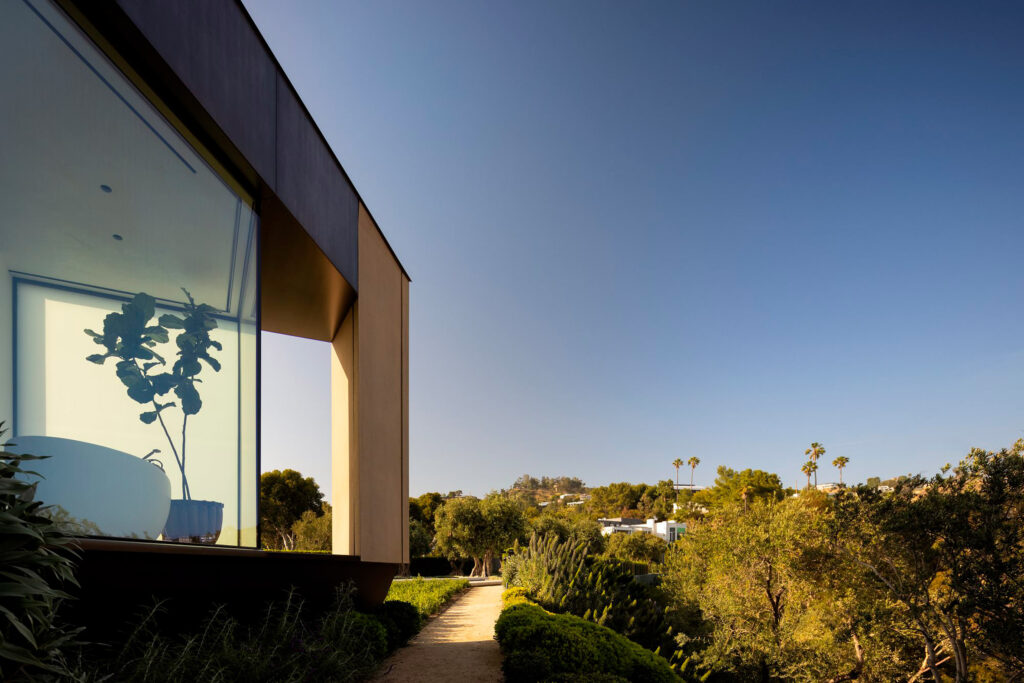
Inside, the residence is split between a sprawling single level and a subterranean basement, both designed to maximize light and flow. The upper floor is organized around the V-shape, hugging a central courtyard and a swimming pool that serves as the focal point of the outdoor living space.
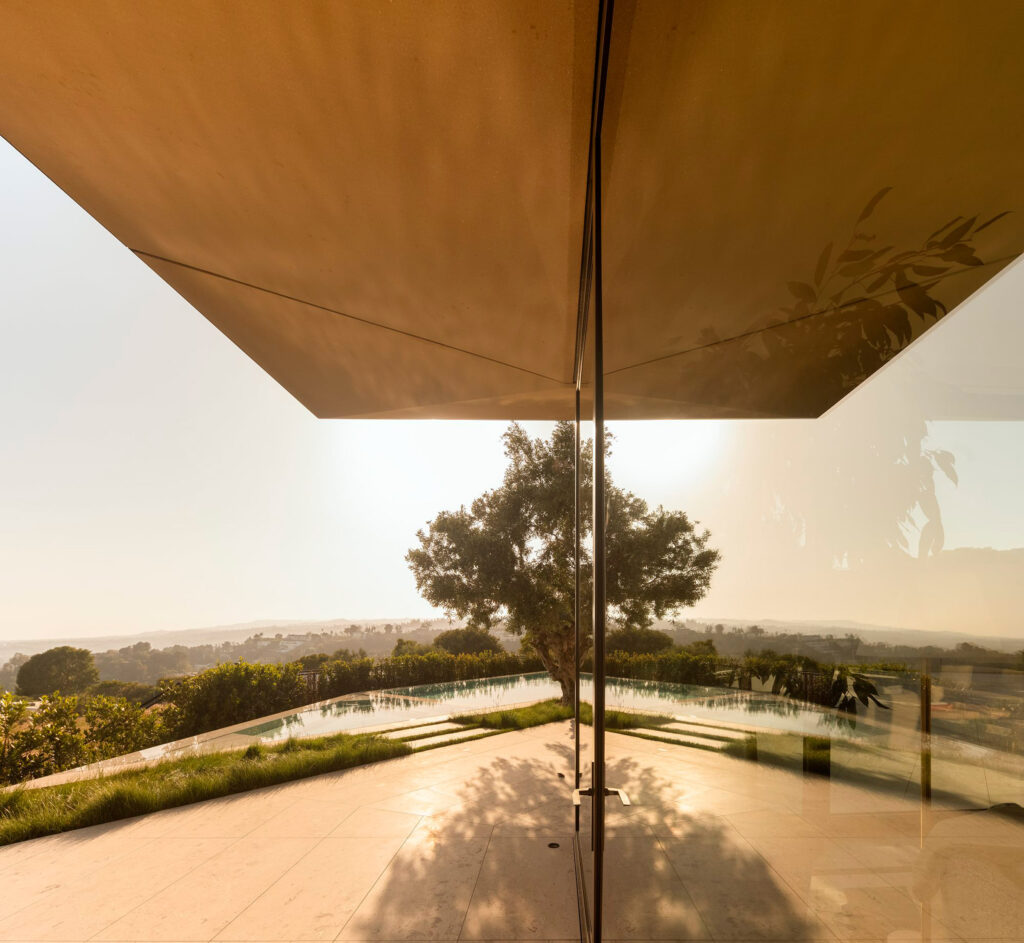
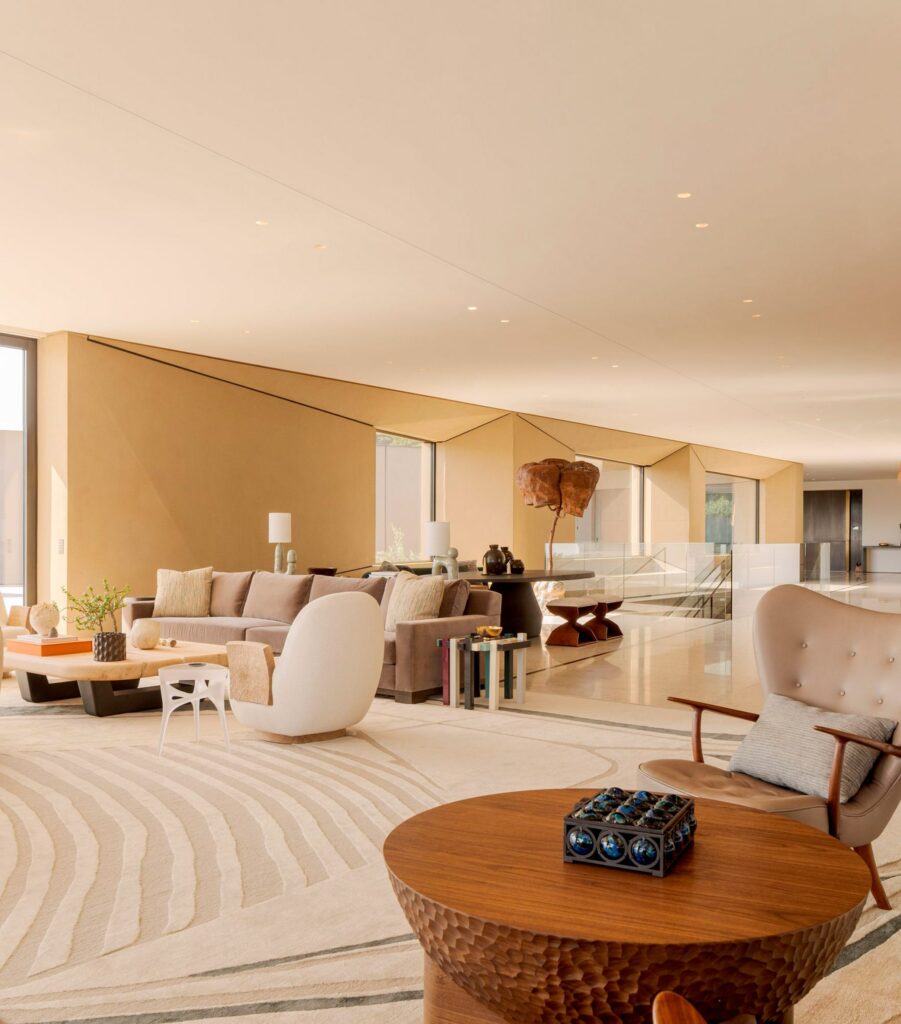
The public zones—an expansive living room, dining area, and a kitchen that can be closed off for catering during parties—feature walls of glass that dissolve the boundary between the interior and the California sun.
The basement is far from a dark dungeon; it is organized around a sunken courtyard that floods the lower level with natural light. This floor houses the “fun” aspects of the residence, including a 24-seat cinema for private screenings, a fully equipped bar, a spa, and a gym.
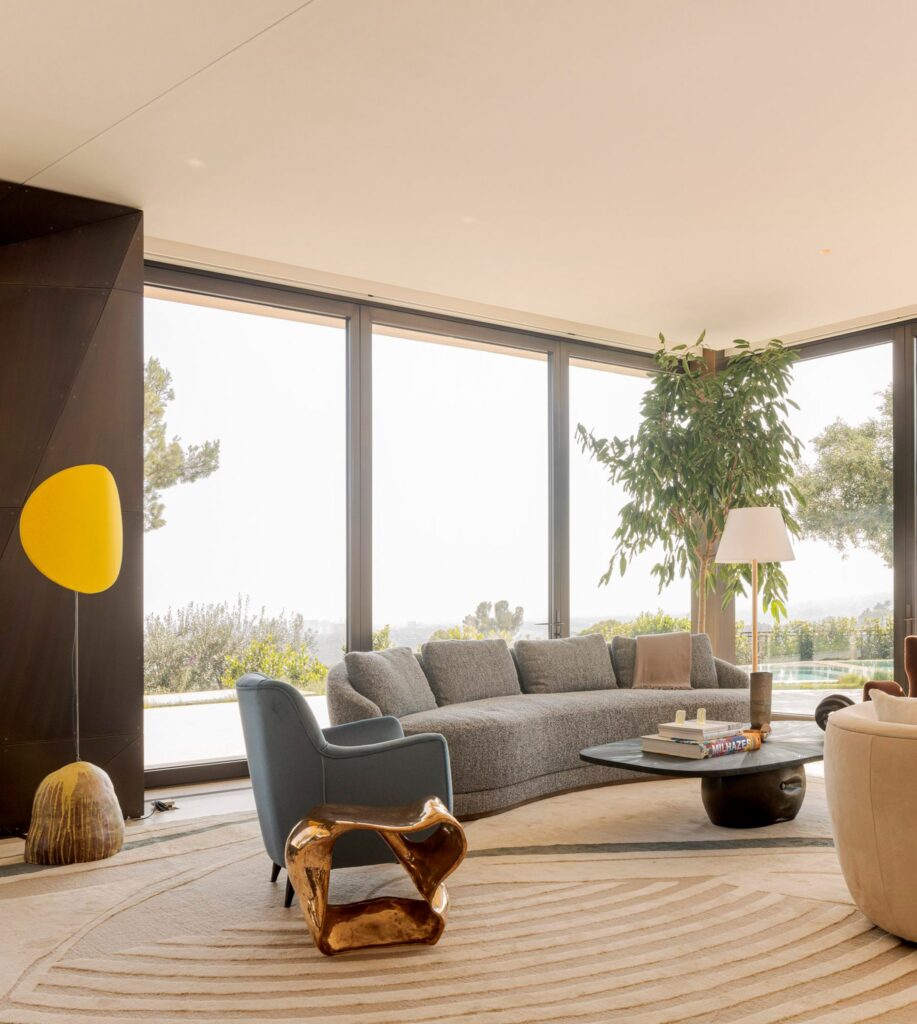
To ensure the interiors matched the architectural drama without competing with it, the project enlisted the talents of renowned designers Nicole Hollis and Joan Behnke.
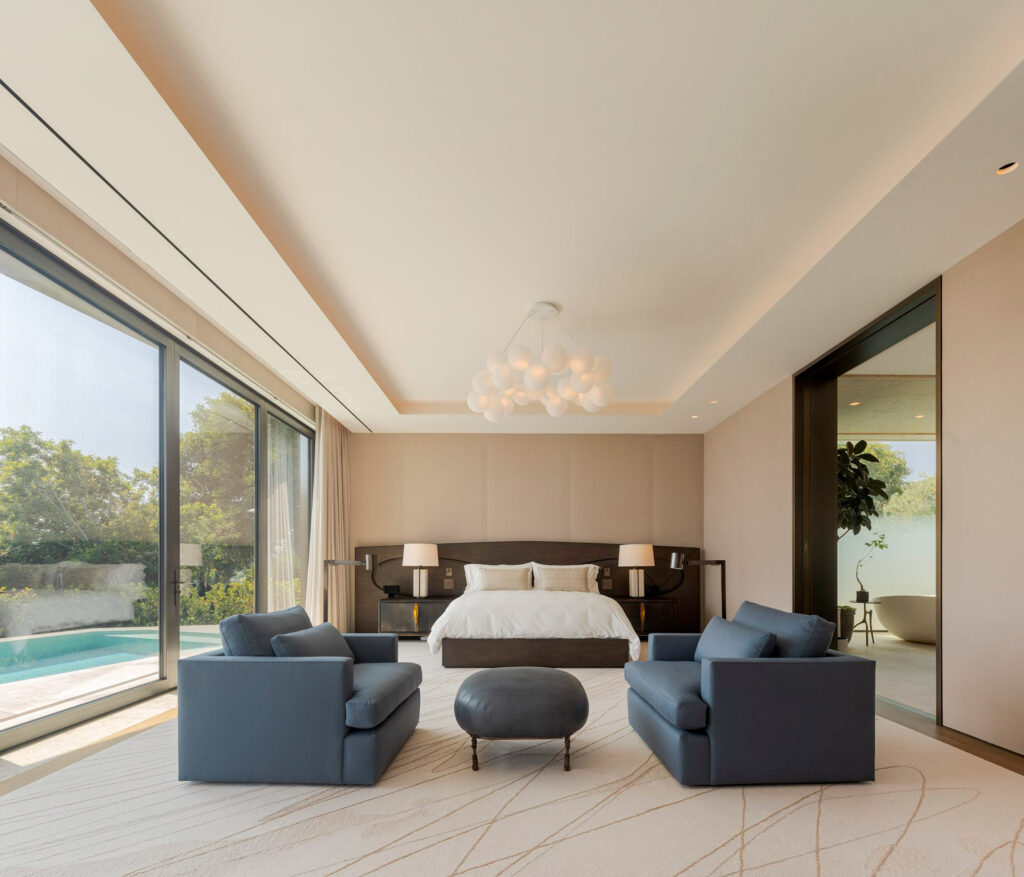
They introduced a palette of rich textures, neutral colors, and restrained furnishings that soften the angular architecture, making this massive geological sculpture feel like a warm, livable home.
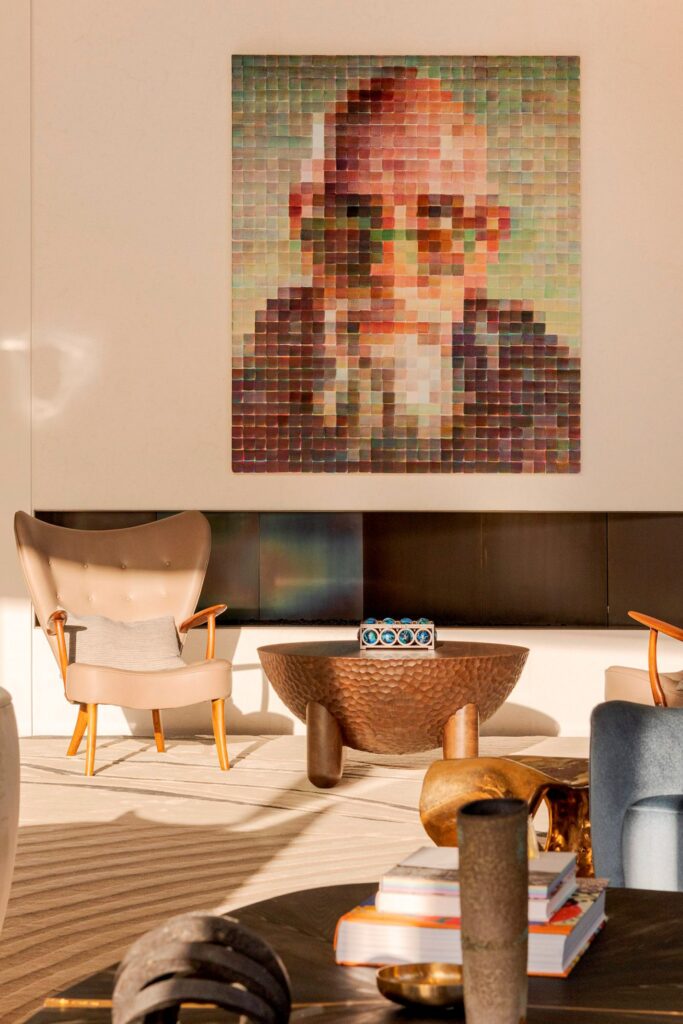
The Fractal Facade House is a rare feat—a property that functions as a high-end residence while standing as a piece of inhabitable art.

- Motoring Perfection Defined: The 1961 Ferrari 250 GT California Spider By Scaglietti - March 20, 2026
- Horological Sci-Fi: Unpacking The ROBOT Robotic One Chronograph Watches - March 20, 2026
- Best New Menswear Arrivals from Gloverall this Spring - March 20, 2026