



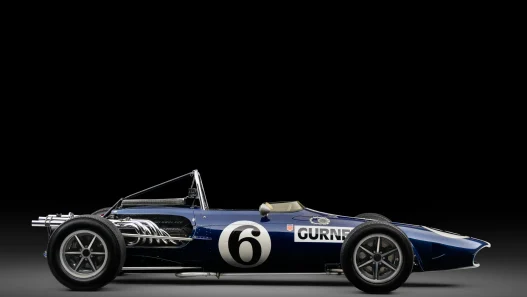





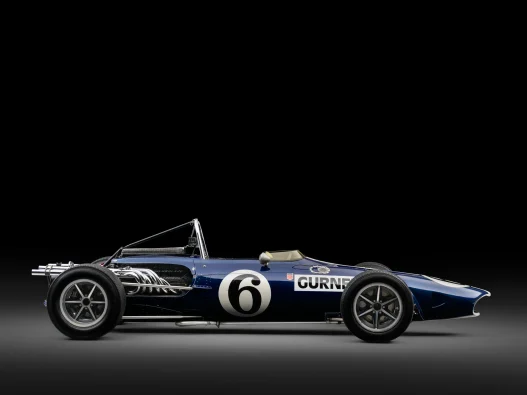
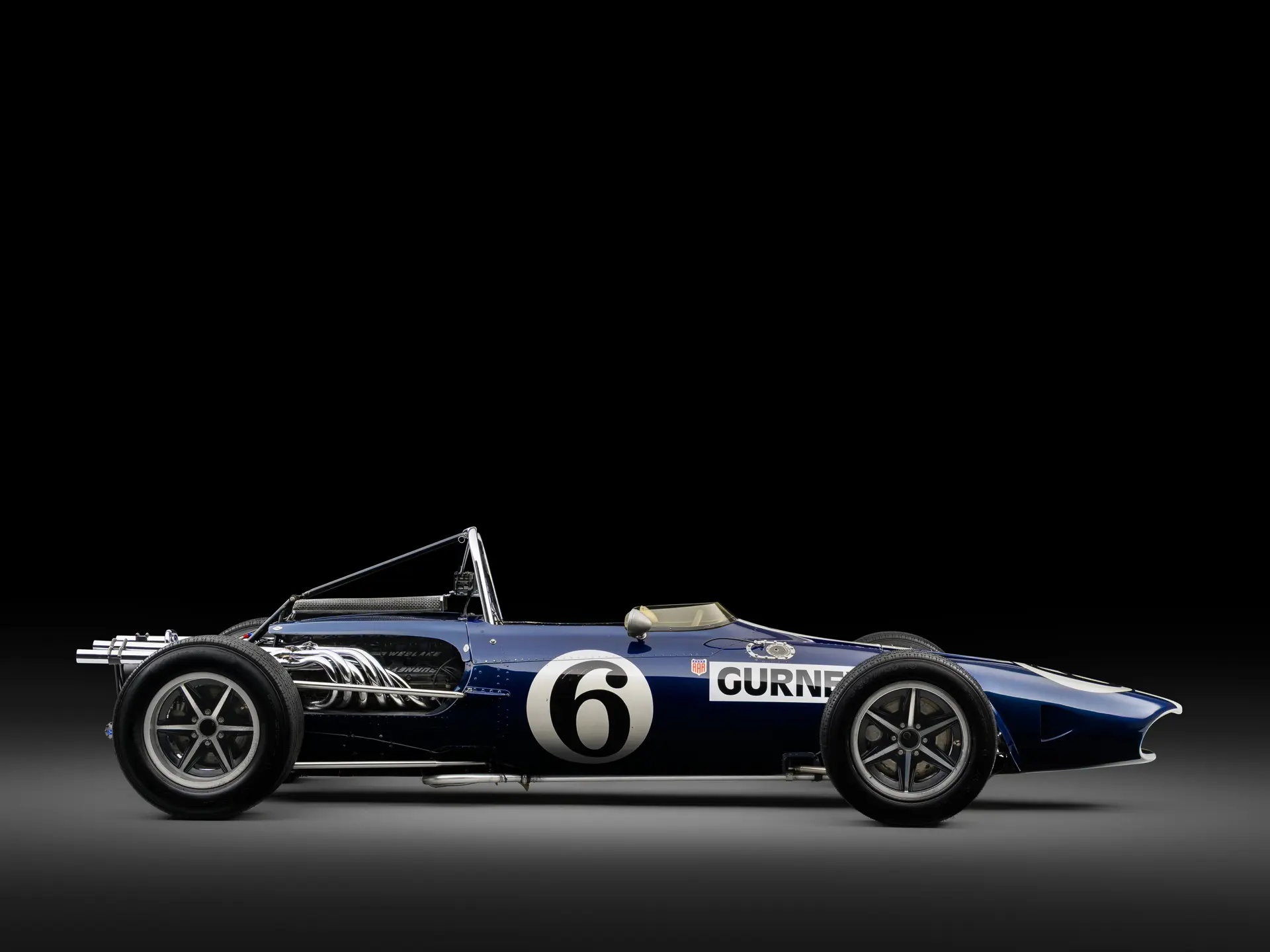
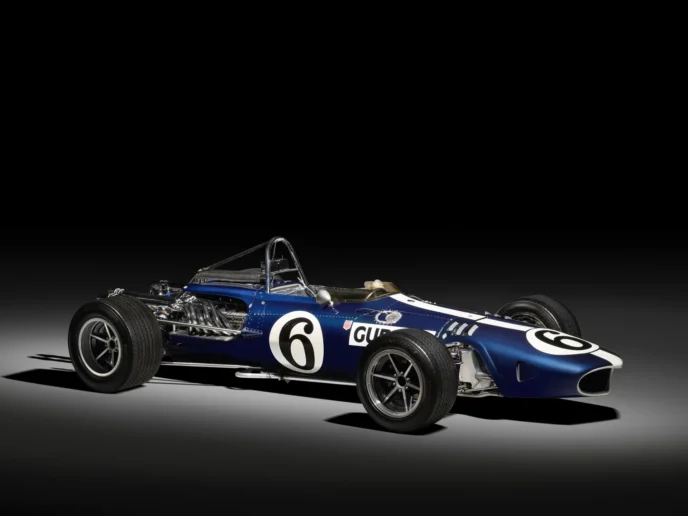
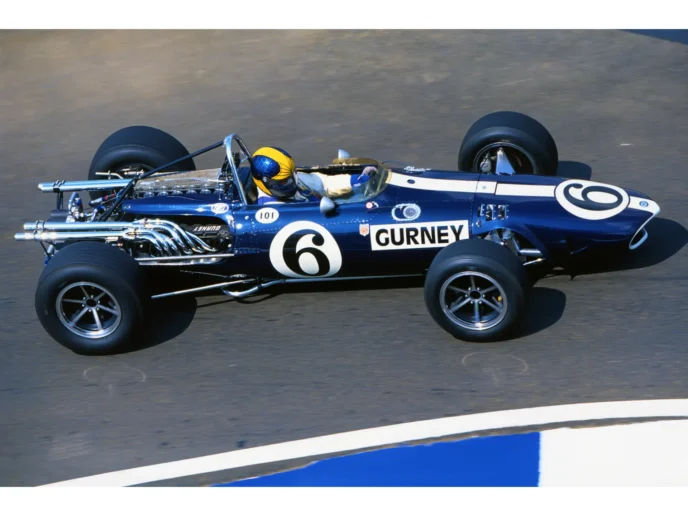
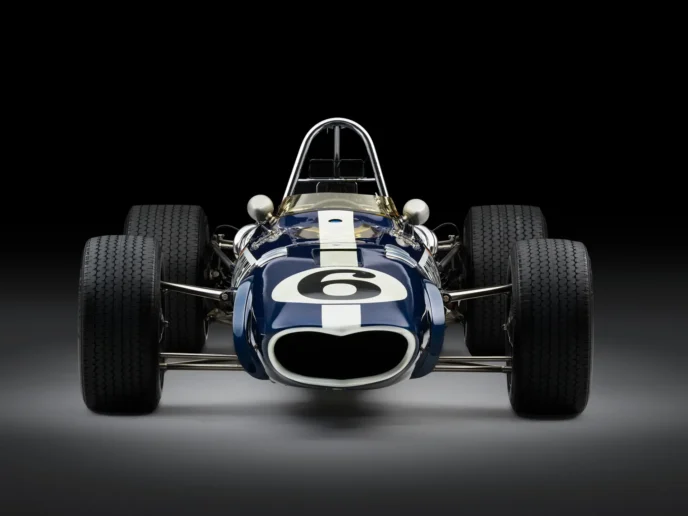
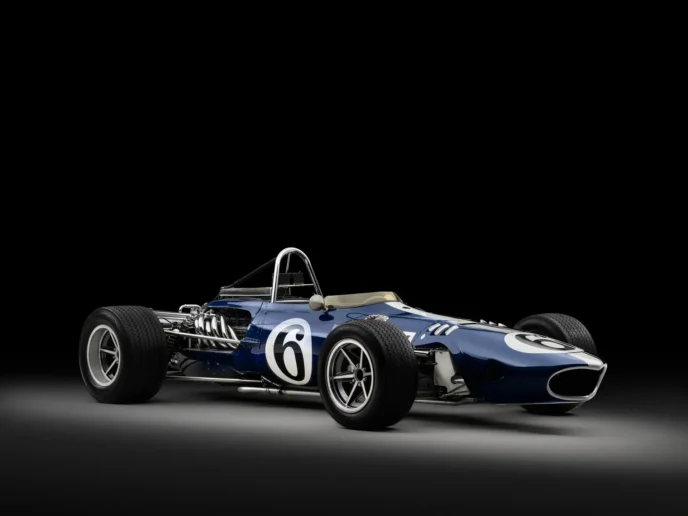
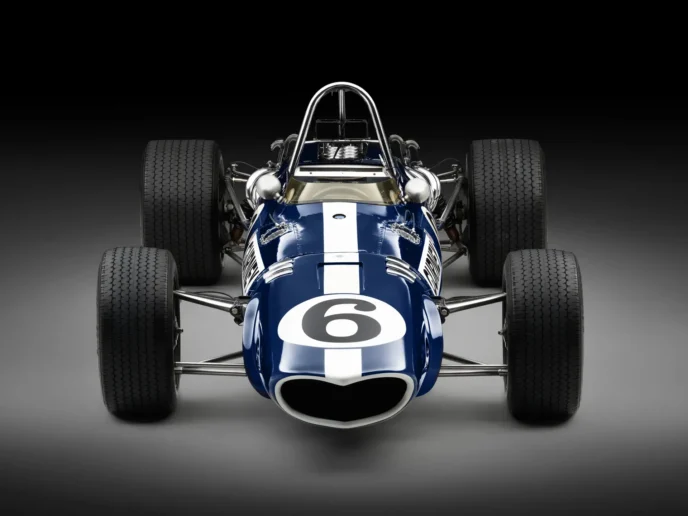
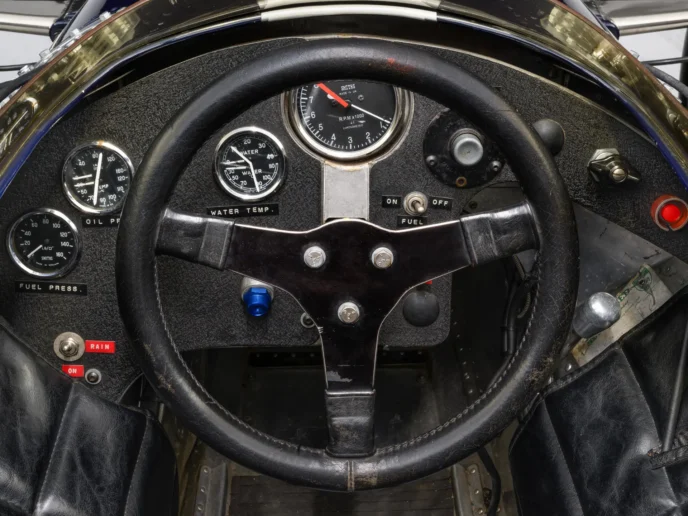
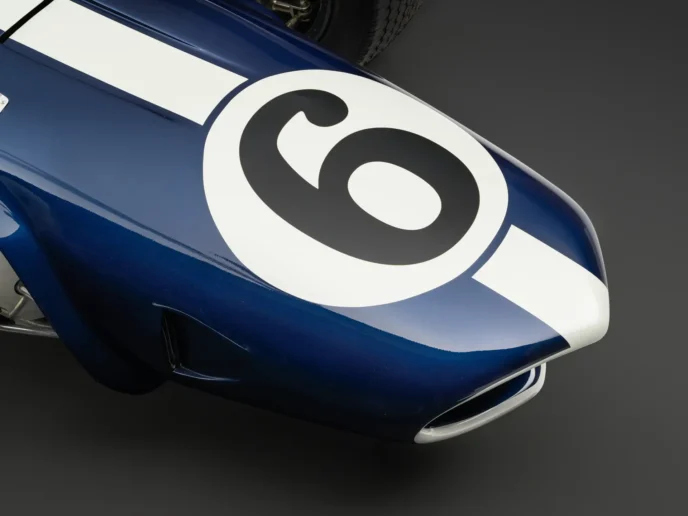
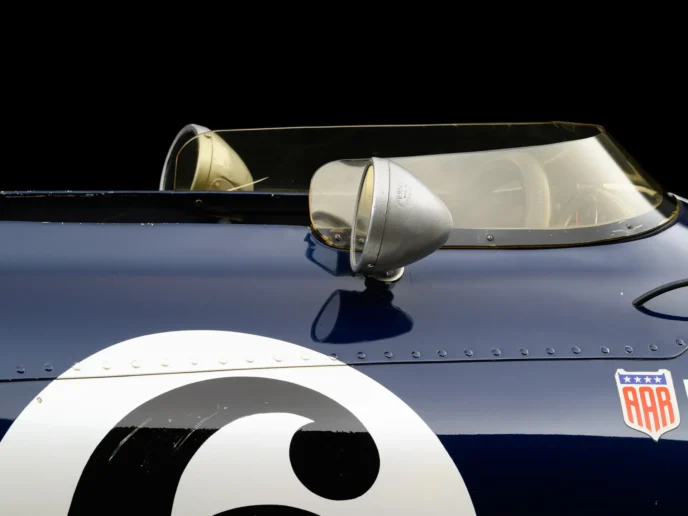
When it comes to motor racing history, few vehicles achieve true mythical status. The 1967 AAR Eagle Mk I Gurney-Weslake sits firmly in that pantheon as one of the most stunning, culturally significant, and revered Formula 1 machines ever conceived.
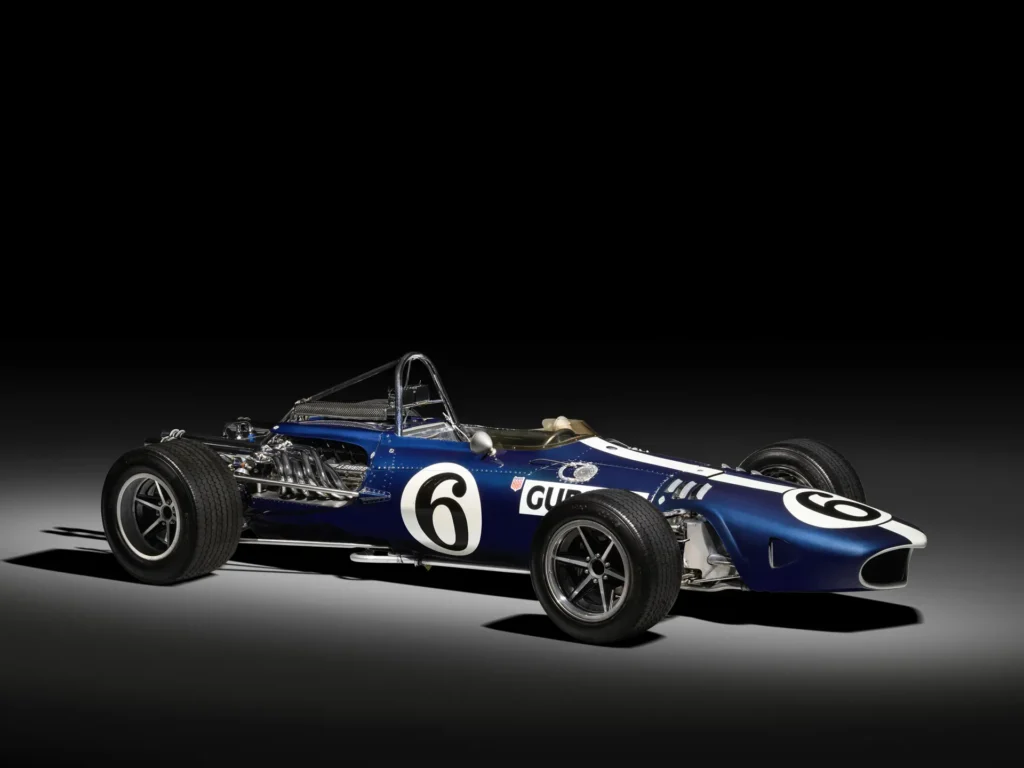
Offered through Sealed By RM Sotheby’s with an estimate of $7,000,000 – $9,000,000 (~£5.3m – £6.8m), this exact car—chassis 103—represents a crown jewel of American motorsport heritage.
* Chassis Number: 103 (Third of Four Built by All-American Racers)
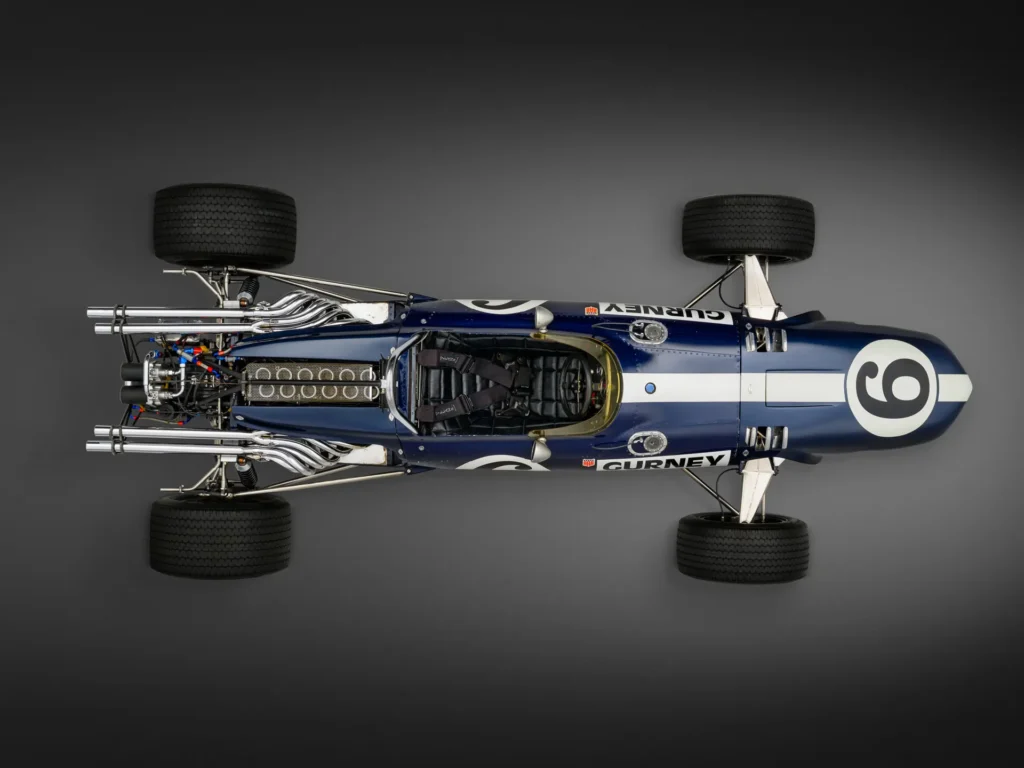
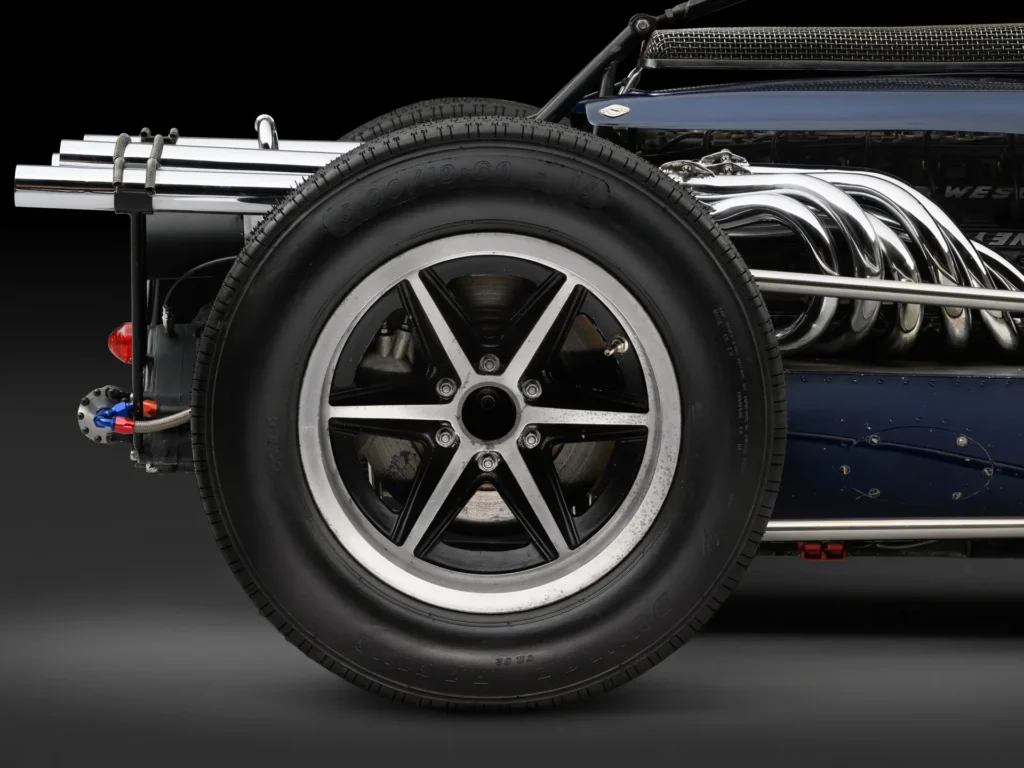
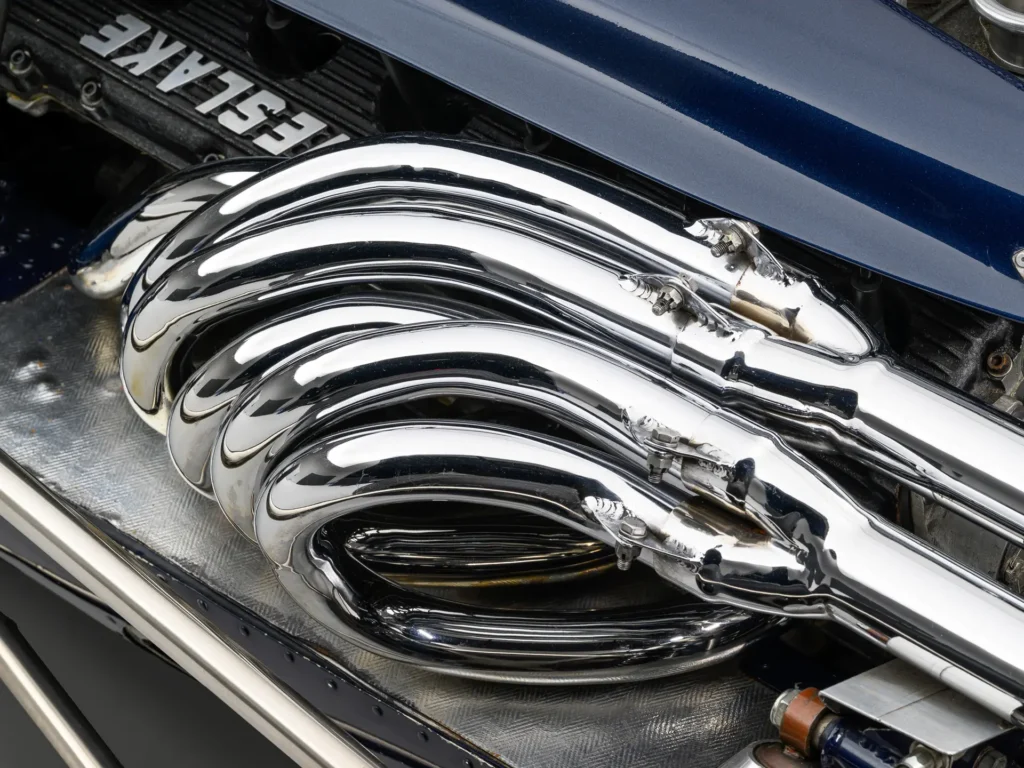
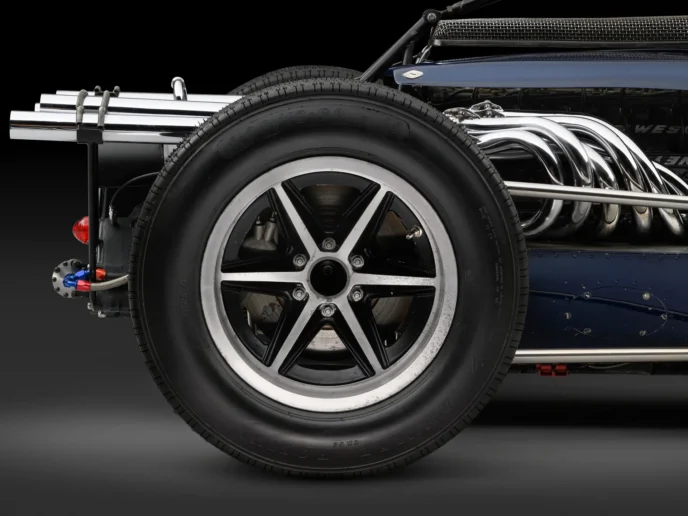
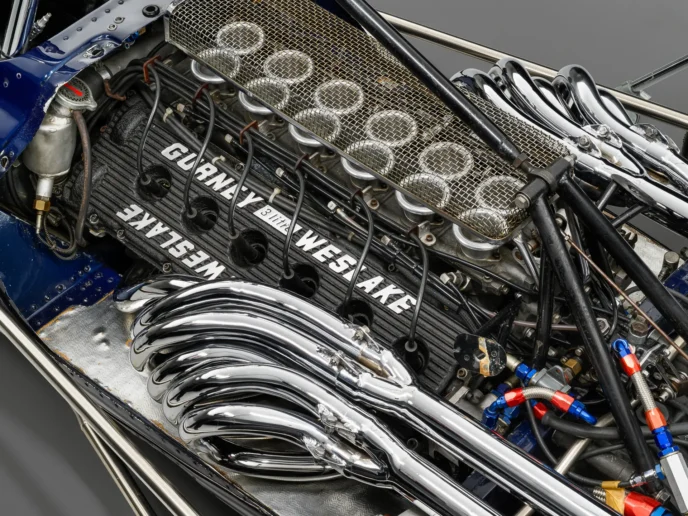
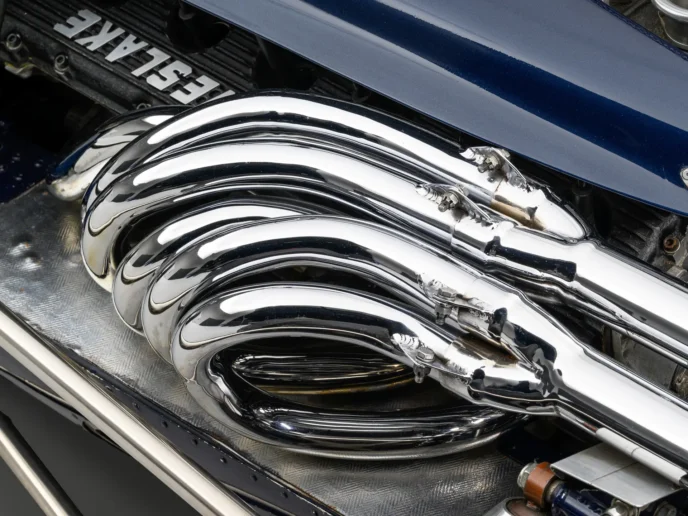
* Engine Spec: 2,997-cc DOHC Gurney-Weslake V12 (390 bhp @ 10,500 rpm)
* Historical Significance: Only American-Built F1 Design to Win a Grand Prix
* Period Drivers: Dan Gurney, Richie Ginther & Ludovico Scarfiotti
* Auction Estimate: $7,000,000 – $9,000,000 USD (Sealed By RM Sotheby's)
The Genesis of an All-American Legend
The story of All-American Racers (AAR) traces back to 1964, born from a vision shared by automotive legends Carroll Shelby and Dan Gurney.
Backed by Goodyear to challenge Firestone’s dominance at the Indianapolis 500, Gurney—a consummate road racer—insisted on simultaneously developing a Formula 1 contender.
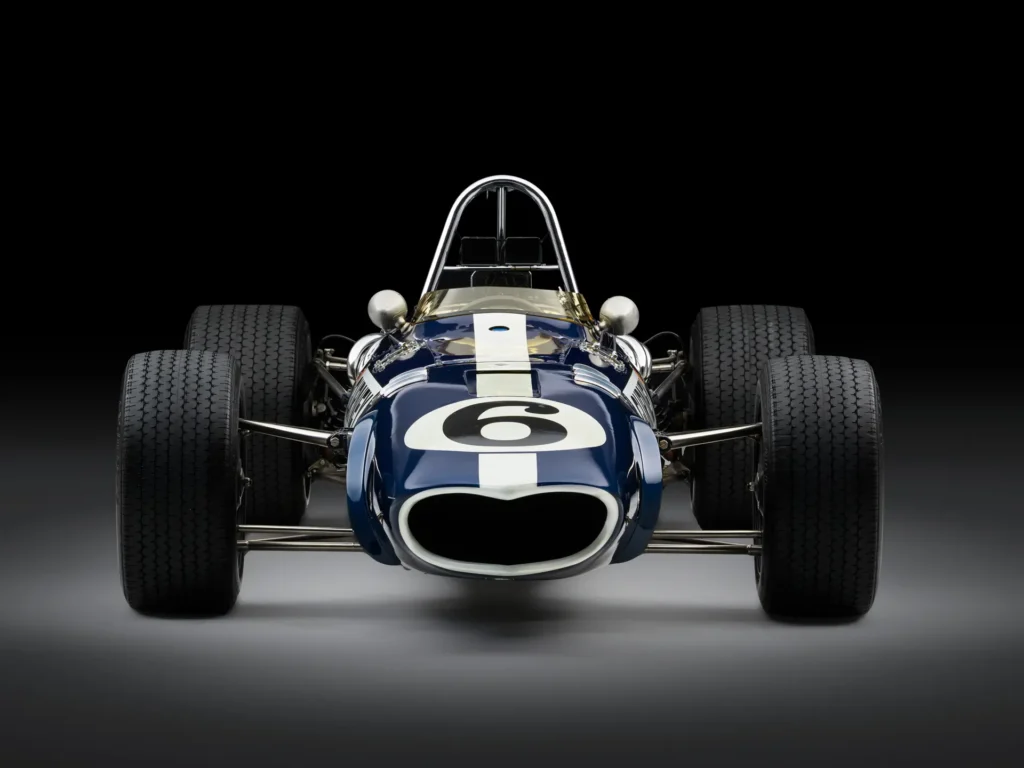
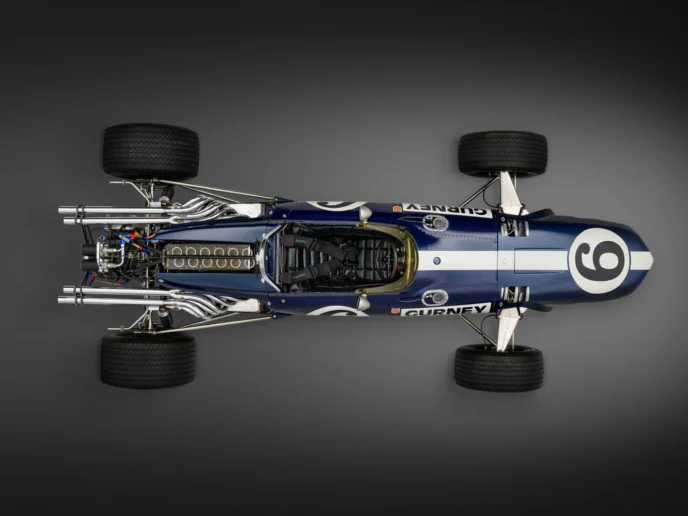
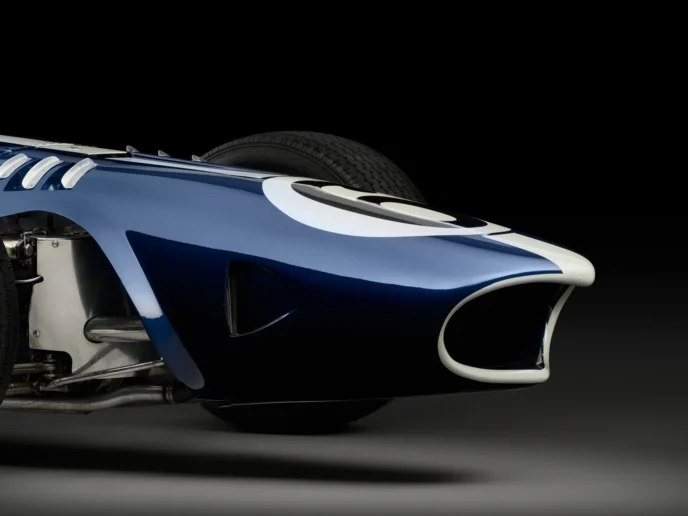
Designed by Len Terry (fresh off designing Jim Clark’s Indy-winning Lotus 38), the Eagle Mk I featured a lightweight 18-gauge aluminium monocoque chassis paired with swooping, eagle-beaked nosework that remains an aesthetic high-water mark for open-wheel racing.
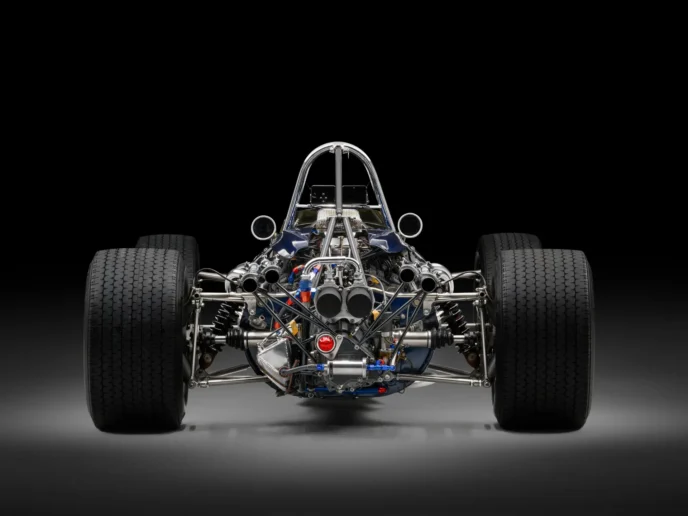
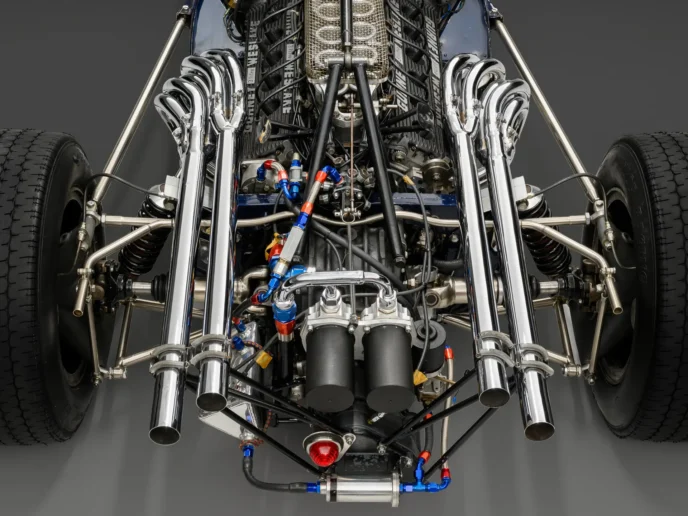
To power the machine, Gurney established Anglo-American Racers in Rye, East Sussex, partnering with Weslake & Co. to engineer a bespoke 3-litre 48-valve V12 engine.
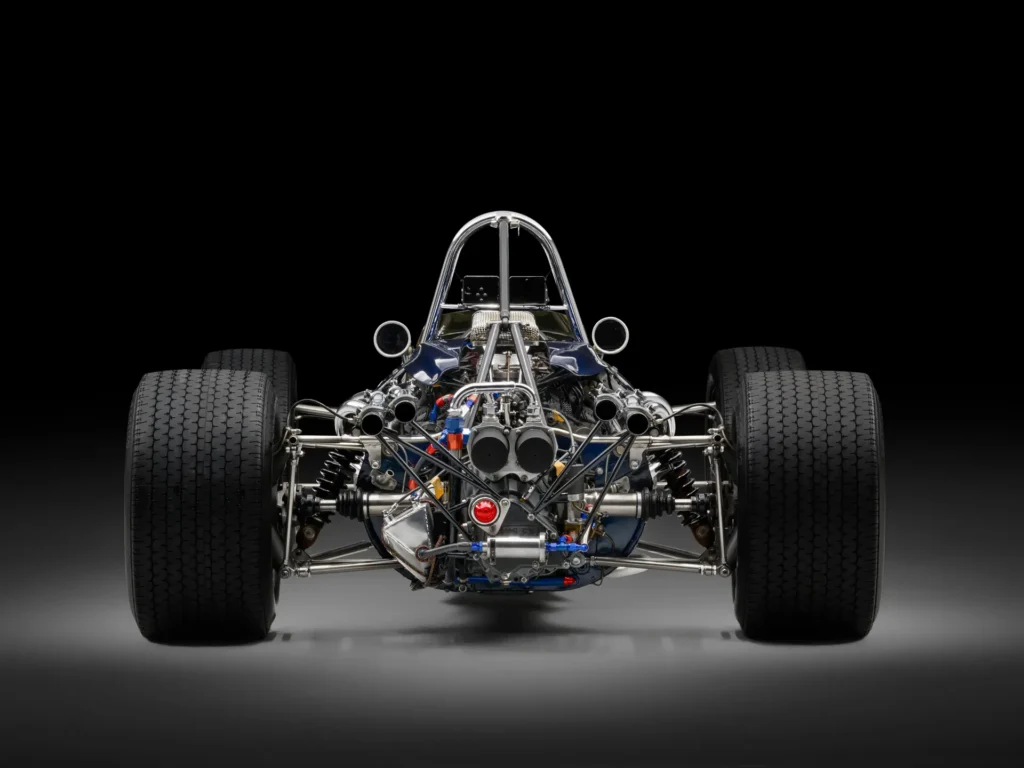
Capable of screaming to 10,500 rpm while producing a fierce 390 bhp, the Gurney-Weslake V12 transformed the Eagle into an engineering titan.
Chassis 103 & The Weslake V12 Engine
The car offered here—chassis 103—is the second of three V12-powered Eagle chassis ever built and the final aluminium-bodied Mk I constructed.
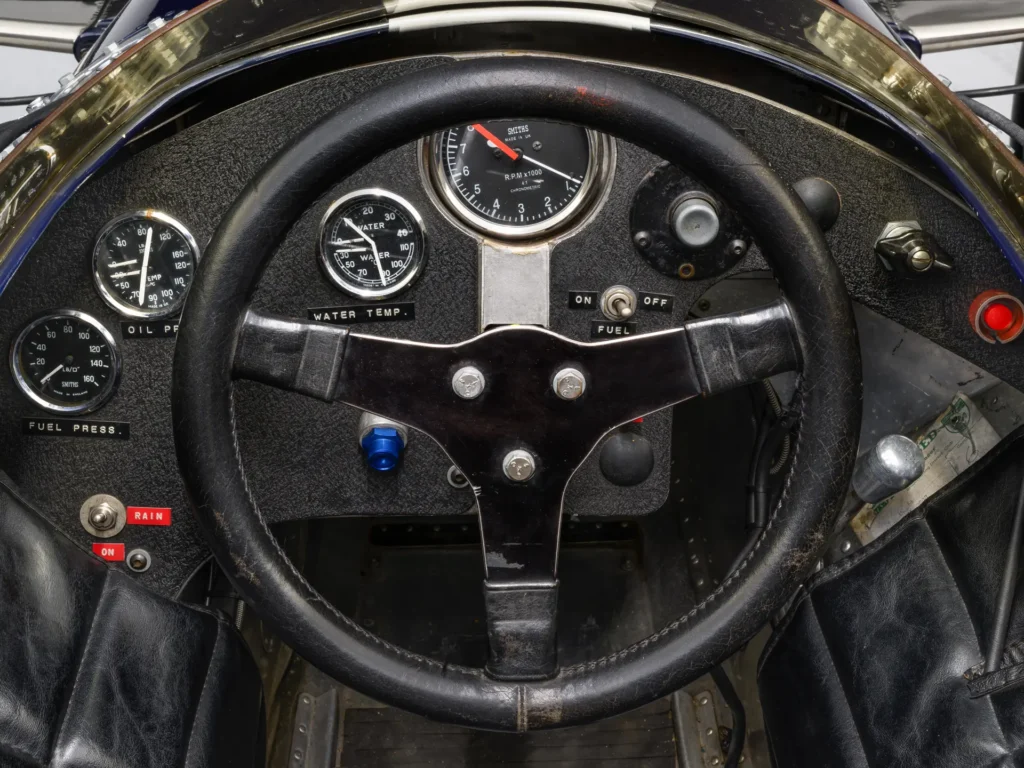
Making its competition debut at the 1967 Race of Champions at Brands Hatch, it immediately proved its pedigree.
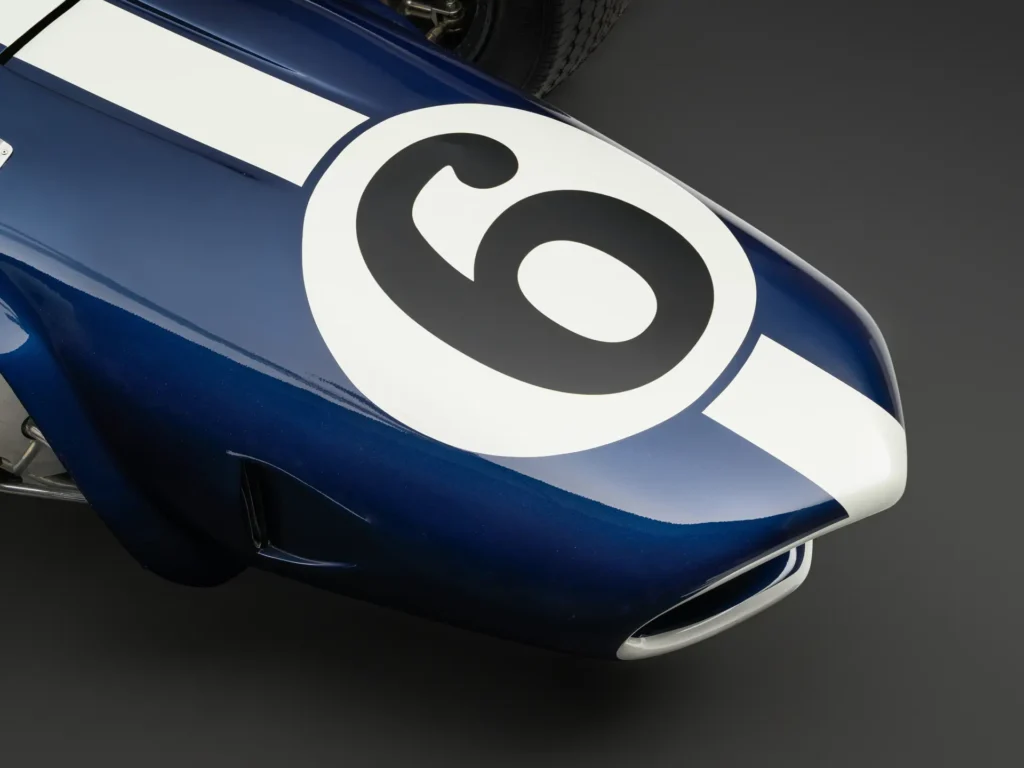
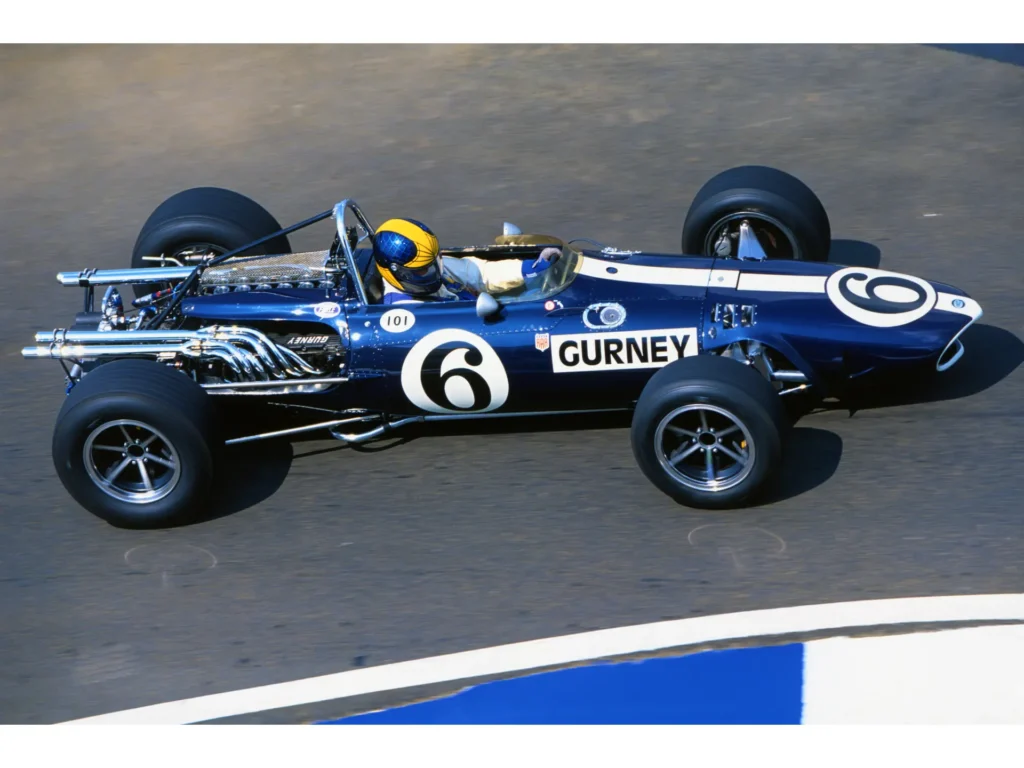
Driven in period by motorsport royalty including Dan Gurney, Richie Ginther, and Ludovico Scarfiotti, chassis 103 captured the hearts of racing purists across the globe.
“Widely considered the most beautiful Formula 1 car ever constructed, the AAR Eagle remains the only American-built design in history to secure a Grand Prix victory.”
At the 1967 Canadian Grand Prix at Mosport Park, Gurney navigated torrential rain, treacherous track conditions, and multiple goggle changes to pilot chassis 103 to a magnificent 3rd-place podium finish behind the Brabham-Repcos.
Unbroken Provenance & Historic Eligibility
Following the conclusion of AAR’s Formula 1 programme in 1968, chassis 103 was sold to legendary drag racer Danny “The Flyin’ Hawaiian” Ongais.
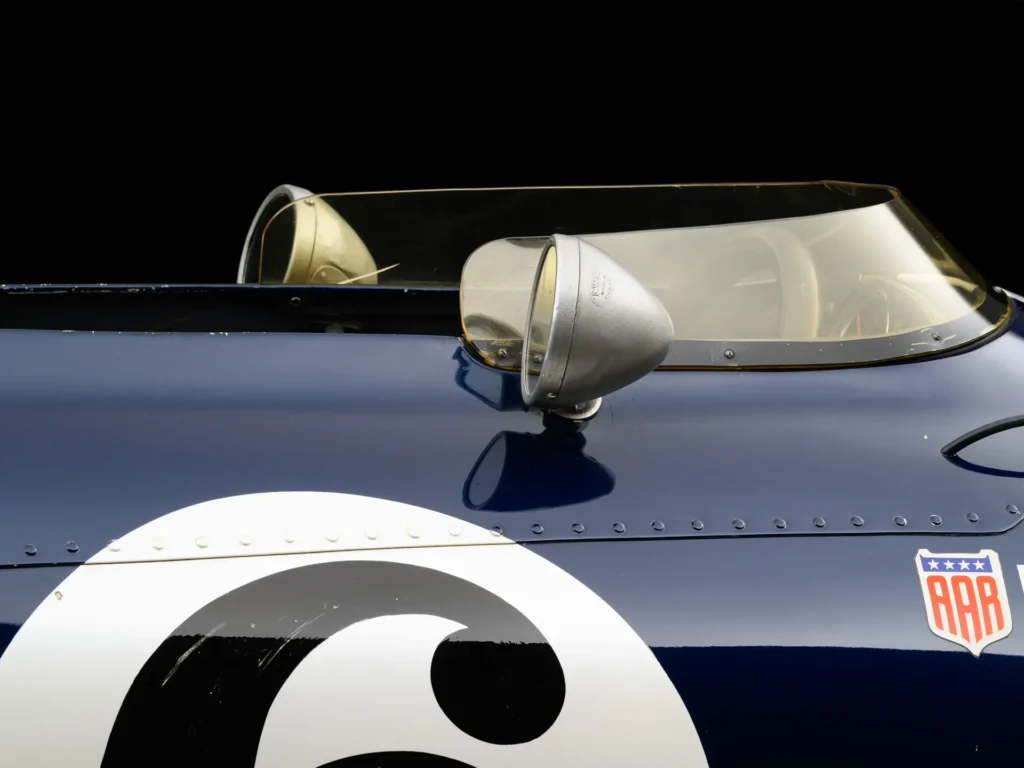
Intended for a Formula A conversion that thankfully never materialised, the chassis remained completely unmolested before passing through renowned private collections.
Acquired by its current custodian in 2002, the car has been treasured in a private collection for over two decades.
| Specification | Vehicle & Provenance Detail |
| Auction Event | Sealed By RM Sotheby’s ($7m – $9m Estimate) |
| Chassis Specification | 18-Gauge Aluminium Monocoque w/ Steel Subframes |
| Engine Architecture | 3.0L DOHC 48-Valve Gurney-Weslake V12 Engine |
| Notable Period Result | 3rd Place Overall at the 1967 Canadian Grand Prix |
| Event Eligibility | Monaco Grand Prix Historique & Rolex Monterey Motorsports Reunion |
Offered for sale for the first time in 24 years, this 1967 AAR Eagle Mk I Gurney-Weslake ($7m – $9m estimate) represents an irreplaceable opportunity.
Fully eligible for prestigious events like the Monaco Grand Prix Historique, it is a living, breathing testament to American engineering ambition at the absolute summit of motorsport.
All Images (click to enlarge):

- American Racing Royalty: 1967 AAR Eagle Mk I Gurney-Weslake - September 22, 2026
- Trail-Ready Utility: Lems Chelsea Boot Tuff Pro - September 22, 2026
- Wearable Ocean Art: Spinnaker x IFL Watches Spence 300 Automatic IFLW Manta Edition Watch - September 21, 2026